
Dharma Training
What Are Dharma Training Programs?
Dharma training programs are designed to help people learn about and practice Dharma, which is the teachings of the Buddha. These programs can vary in length and format, but they typically include the study of the Dharma, meditation practice, and community service.
Who Should Seek Dharma Training Programs?
- People interested in learning more about Buddhism: Dharma training programs can comprehensively introduce the Buddha's teachings.
- People looking to reduce stress and anxiety: Meditation is a crucial component of Dharma training and can effectively reduce stress and anxiety.
- People interested in positively impacting the world: Dharma training programs often involve community service, which can help people connect with others and positively impact the world.
- People seeking spiritual guidance: Dharma training programs can guide living more ethical and compassionate lives.
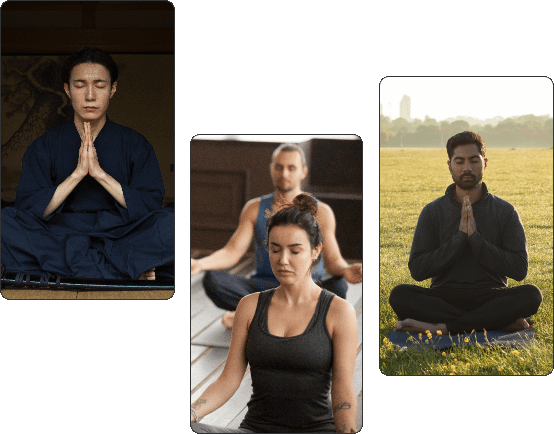
Steps Involved in Dharma Training Programs
- Study of the Dharma: This involves learning about the Buddha's teachings, including the Four Noble Truths and the Eightfold Path.
- Meditation practice: This is a crucial component of Dharma training, and it can help people to develop concentration, mindfulness, and insight.
- Community service: Dharma training programs often involve community service, which can help people connect with others and positively impact the world.
The procedure of Dharma Training Programs
Orientation
Participants will learn about the program's goals, structure, and expectations. They will also have the opportunity to meet the teachers and other participants.
Study
This is where participants will learn about the Buddha's teachings. It may involve reading texts, attending lectures, or participating in discussions.
Meditation
This is a crucial component of Dharma training, and it can help people to develop concentration, mindfulness, and insight. Participants will typically learn different meditation techniques and will have the opportunity to practice meditation regularly.
Community service
Dharma training programs often involve community service, which can help people connect with others and positively impact the world. Participants may volunteer at a local soup kitchen, homeless shelter, or other organization.
Reflection
This is where participants will have the opportunity to reflect on their experiences and to integrate what they have learned into their lives. It may involve journaling, writing essays, or participating in group discussions.
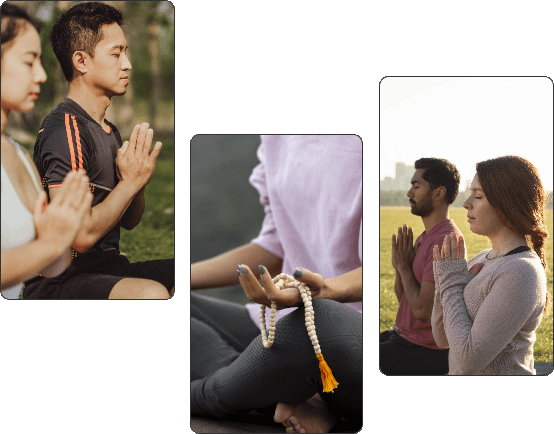
What Are the Benefits of Dharma Training Programs?
Increased understanding of the Dharma
Dharma training programs can help you to develop a deeper understanding of the Buddha's teachings. It can help you to live a more ethical and compassionate life.
Improved mindfulness
Meditation is a crucial component of Dharma training and can help you develop mindfulness. Mindfulness is the ability to be present in the moment and to observe your thoughts and feelings without judgment. It can help you to reduce stress and anxiety and to live a more fulfilling life.
Increased compassion
Dharma training programs can help you to develop compassion for yourself and others. Compassion is the ability to understand and share the suffering of others. It can help you to connect with others on a deeper level and to make a positive impact on the world.
Improved well-being
Dharma training programs can help you to improve your overall well-being. It may include physical, emotional, and spiritual well-being.
Sense of community
Dharma training programs can help you connect with others on a similar path. It can provide you with support and encouragement as you practice the Dharma.
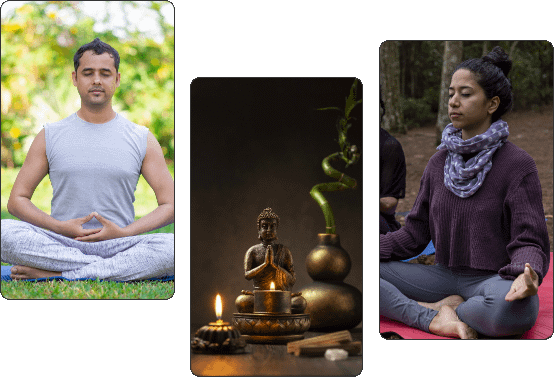
Frequently Asked Questions
What is the Dharma training program?
The Dharma Training Program explores the principles and practices foundational to Vajrayana Tibetan Buddhism, offering an opportunity to deepen dharma practice and develop an integrated spiritual practice designed for modern-day life.
01
How to become a Dharma teacher?
Generally, a monk or a nun must have been ordained for at least eight years to be considered a candidate for receiving the Dharma Lamp.
02
Which religion teaches Dharma?
dharma, Sanskrit dharma, Pali dhamma, key concepts with multiple meanings in Hinduism, Buddhism, and Jainism. In Hinduism, dharma is the religious and moral law governing individual conduct and is one of the four ends of life.
